Large casino catalogues can make game discovery feel harder than playing itself. A useful approach is to begin with the type of experience you want, then compare volatility, pace, mechanics and available features before choosing a title. The lussurio casino bonus may appear alongside game information, but promotional terms should remain separate from the process of deciding which games suit your preferences. This guide explains how Canadian adults can sort a broad catalogue into manageable choices without treating any game as a source of income.
Begin with the kind of game you actually want
The quickest way to reduce a long list is to decide whether you want a reel-based game, a table game, a live-dealer experience or a fast instant-play title. Video slots are usually the broadest category, with themes, bonus rounds, expanding symbols, ways-to-win systems and different reel layouts. Classic slots offer a simpler format, often with fewer visual effects and more familiar paylines. Progressive jackpot games add a prize pool that may change over time, although the presence of a jackpot does not make a win likely.
Table categories suit a different mood. Roulette centres on predicting numbers or groups of numbers, blackjack involves decisions about whether to hit, stand or otherwise respond to the dealer’s hand, and baccarat generally offers a more limited set of betting choices. Video poker combines card selection with a defined paytable, while bingo and keno use number-based formats rather than reels. Scratch cards and instant-win games are designed for short sessions, but their rapid pace can make spending less noticeable.
Some catalogues also include crash games and dice games, which may appeal to players looking for simple rules and quick rounds. Live casino content places dealer-hosted blackjack, roulette or baccarat into a streamed setting, sometimes alongside poker variants and game shows. These categories are not interchangeable: a live table may feel more social, while a slot may provide more themes and automated bonus features. Choosing the format first prevents an attractive title or promotional label from making the decision for you.
What should you compare before opening a slot?
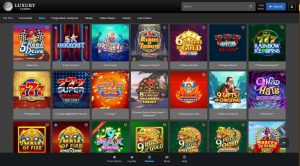
Once you have selected slots, compare the game’s mechanics rather than relying only on its artwork. Look for the number of reels, paylines or winning ways, bonus symbols, wilds, scatters and any stated jackpot feature. A game with cascading symbols may produce several wins in one sequence, while a hold-and-win design may use collecting symbols or respins. These features affect how a game behaves, but they do not remove the underlying uncertainty of each spin.
Volatility is another useful comparison point. Lower-volatility games may produce smaller wins more often, whereas higher-volatility games can have longer quiet periods interrupted by less frequent larger outcomes. The label is not a guarantee, and different providers may describe volatility in different ways. Return-to-player information is a long-run statistical estimate, not a forecast for one session. A short demonstration or a few test spins cannot establish whether a game will perform well for an individual player.
Pay attention to the information supplied in the game’s help menu. It may explain the paytable, maximum win, bonus-round rules, jackpot conditions and whether certain symbols or features are random or triggered by specific combinations. If the catalogue provides filters for provider, jackpot, category or game type, use those before browsing individual titles. Named studios in the market include Pragmatic Play, NetEnt, Red Tiger Gaming, Quickspin, Yggdrasil Gaming and others, but a familiar provider name should be treated as a sorting aid, not a quality guarantee.
How do jackpot games differ from ordinary slots?
Jackpot games can be divided broadly into fixed, local or progressive formats, although the exact labels depend on the operator and provider. A fixed jackpot has a stated prize structure that does not necessarily grow with every wager. A progressive jackpot may increase as qualifying play contributes to a shared pool. Some jackpots are attached to one title, while others connect several games across a provider’s network.
Before choosing one, check what triggers the jackpot and whether every stake qualifies. A game might require a particular bet size, a bonus feature, a special symbol combination or a separate jackpot wager. The headline prize may also be subject to a maximum, a split between winners or terms that differ from the ordinary game paytable. If the displayed amount is in another currency, do not assume the converted figure represents the amount that would be paid to a Canadian account.

Jackpot marketing can make a game appear more valuable than its ordinary play experience. Compare the base-game volatility, stake range and bonus mechanics as carefully as the top prize. A large advertised pool does not indicate improved odds, and progressive games may have longer periods without notable returns. For background on gambling risks and informed decision-making, readers can consult Canada’s responsible gambling information. The practical aim is to choose a format you understand, not to chase a changing number on a screen.
When is live casino a better fit than automated play?
Live casino can suit players who prefer a dealer-hosted setting and a more structured table experience. Live blackjack, roulette and baccarat are common examples, while some catalogues also list live poker variants and game shows. The streamed format can make the session feel closer to a physical casino, but it does not change the odds or guarantee a more favourable result. The dealer’s presence is a presentation feature, not a prediction tool.
Automated versions may be more practical when you want shorter rounds, flexible pacing or a wider range of stake options. They can also make it easier to compare rules and paytables because the game information is usually available in a fixed menu. Live tables may have minimum and maximum stakes that vary by table, as well as periods when seats are unavailable. Check the displayed table rules instead of assuming that every version of blackjack or baccarat uses the same conditions.
Consider attention and session length as well. A live stream can encourage a player to remain at the table between rounds, while an automated game can make repeated bets feel almost frictionless. Decide in advance how long you intend to play and what amount you are prepared to lose. If the catalogue includes time reminders, session limits or other account controls, using them can create a clearer stopping point. Neither live nor automated play should be approached as an income strategy.
Use filters and a trial shortlist without overinterpreting results
A shortlist of three to five games is usually more useful than opening dozens of titles. Start with one category, such as progressive slots, classic slots, live blackjack or instant-win games. Then filter by provider, theme, jackpot status or feature where those options are available. Read the help panel for each candidate and note the stake range, bonus mechanics, stated volatility and any maximum-win information. This turns browsing into a comparison rather than an impulse decision.
If a demo mode is available, use it to learn the controls and paytable, not to test whether the game is “due” to win. Random outcomes do not become more likely because previous rounds lost, and a short sample cannot validate a game’s long-run statistics. Demo play may also differ from real-money conditions, including the way promotional eligibility or jackpot contributions work. Treat it as a familiarisation tool only, and verify the operator’s stated rules before relying on any specific feature.
Finally, separate game selection from bonus selection. A promotion may exclude live dealer, crash, instant-win or other categories, or may give them reduced contribution under its terms. It may also impose wagering conditions before a balance can be withdrawn. If a game is attractive without the promotion, decide whether you would still choose it under ordinary conditions. That simple test helps prevent a headline offer, jackpot figure or near-miss sequence from determining your entire session.
Questions Canadian players often ask about game discovery
Are progressive jackpot games better than regular slots?
Not necessarily. Progressive games may offer a larger advertised prize, but their rules, qualifying bets, volatility and winning chances vary. Compare the paytable and jackpot conditions with regular slots, and treat the progressive amount as one feature rather than evidence that the game offers better value or more frequent wins.
Can a few demo spins show whether a game is fair?
No. A small number of spins cannot measure long-run return, volatility or jackpot frequency. Demo play is useful for learning controls and bonus mechanics, but it cannot predict real-money results. Read the displayed game information and applicable terms, then make decisions based on a fixed entertainment budget.
Should a bonus determine which game I choose?
It should not be the only factor. Promotions can restrict categories, apply different contribution rates or require wagering before withdrawal. First choose a game whose rules and pace you understand. Then check whether the specific offer applies to it and whether its conditions still make sense for your planned level of play.